Robotic Coffee Kiosk - Double Cup Model

https://robotic-service.ld-auto.com/web/image/product.template/8/image_1920?unique=a329155

Hot and Cold Drinks from One Machine, No Cup Swap Required

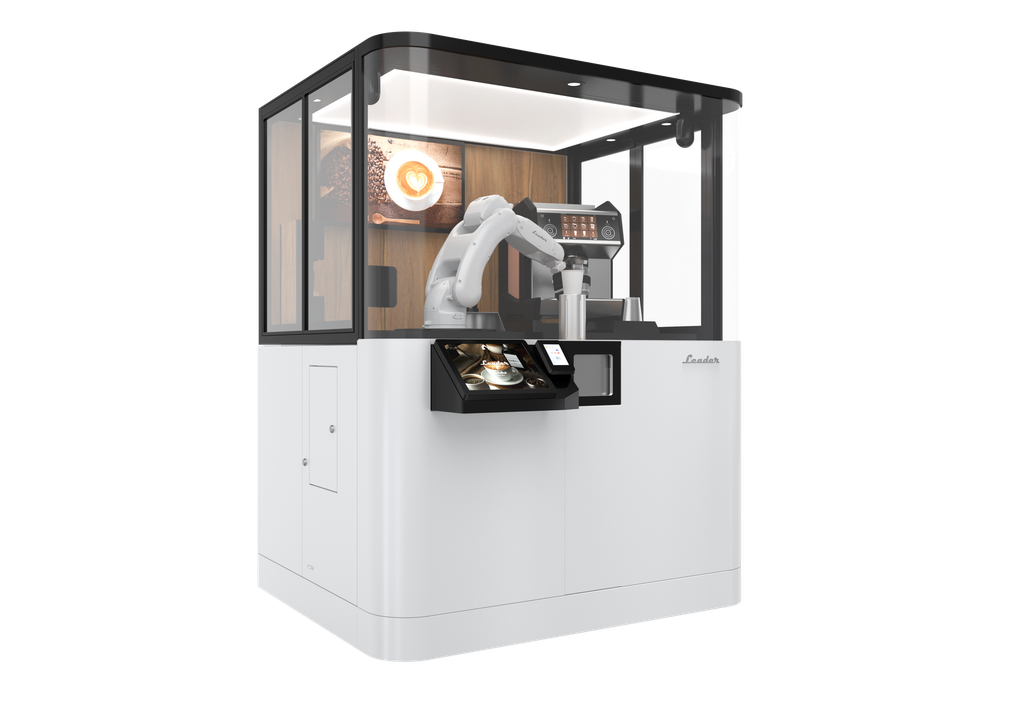
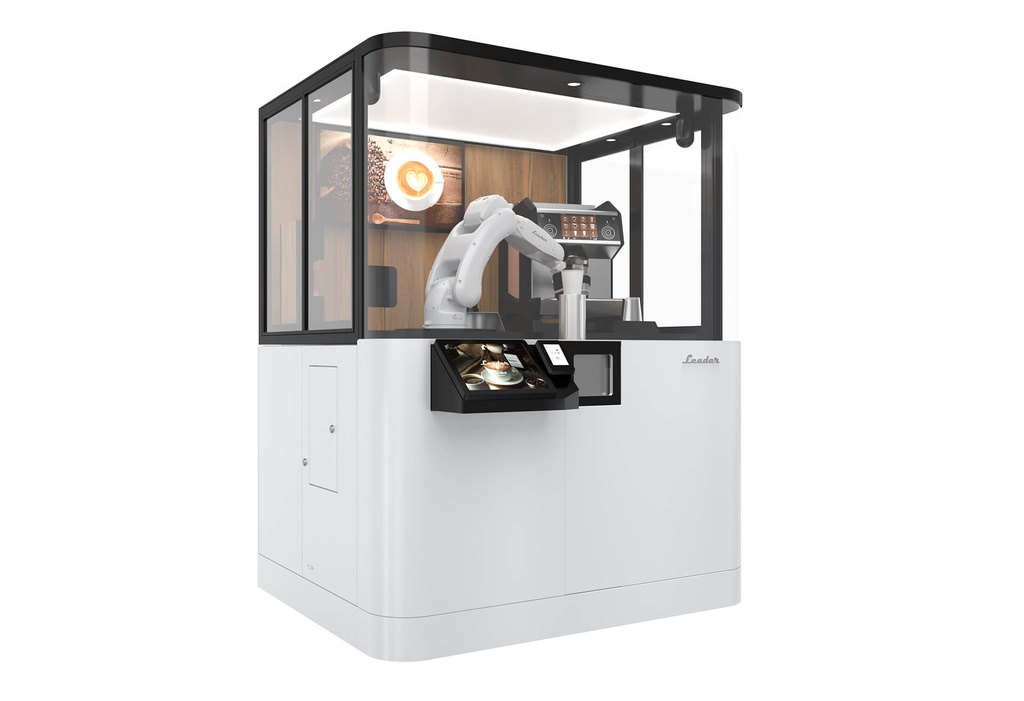
Running a coffee kiosk that serves both hot and cold drinks normally means a staff member swapping cup types between orders, or operating two separate machines. The Leader Automation Robotic Coffee Kiosk – Double Cup Model is designed for venues that need both in one unit. The machine holds two different cup types at the same time. When an order comes in, the robotic arm selects the appropriate cup and runs the full preparation sequence. Operators define which cup type corresponds to which drinks during setup. No manual cup changes are needed between orders.

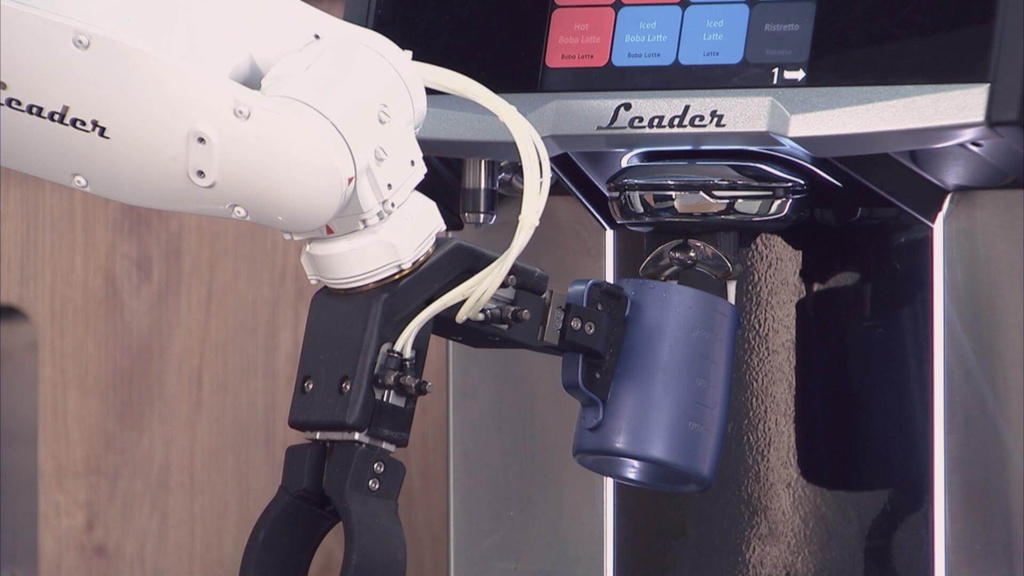
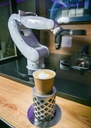
The robotic arm handles the full preparation sequence: grinding, brewing, frothing, and pouring. Every cup follows the same process regardless of order volume or time of day. Manufactured in Taiwan with 35 years of industrial automation behind it, the machine holds CE, UL, and CSA certifications and is ready for commercial deployment across Europe, the GCC region, North America, and Southeast Asia.

    This combination does not exist.

    Hot or Cold: The Robot Barista
    Picks The Right Cup Automatically.

    Most robotic coffee kiosks are set up for one cup type. Serving both hot and cold drinks from the same machine means either a staff member swapping cups between orders, or accepting that one drink category gets skipped entirely.

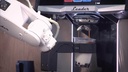
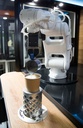
    The Double Cup Model holds two cup types simultaneously. Operators configure which cup type is used for which drinks during setup. For example, one cup type can be assigned to hot drinks and another to cold drinks. When an order comes in, the robotic arm selects the appropriate cup and runs the preparation sequence. The coffee robot kiosk handles an Americano, then an Iced Latte, then a Cappuccino without any manual step between orders.

    2
    Cup types loaded simultaneously, configurable by the operator
    24
    Configurable menu items per deployment
    40
    Cups per hour for standard items (Americano, Latte, Cappuccino)
    90s
    Avg. per cup for standard items; 150s for Latte Art

    Order to Pickup, Fully Automated

    01

    Customer Selects & Pays

    The touchscreen presents the drink menu. The customer selects a drink, customizes options, and pays using any supported method: card, mobile wallet, or transit card.

    02

    Robotic Arm Selects Cup and Prepares the Drink

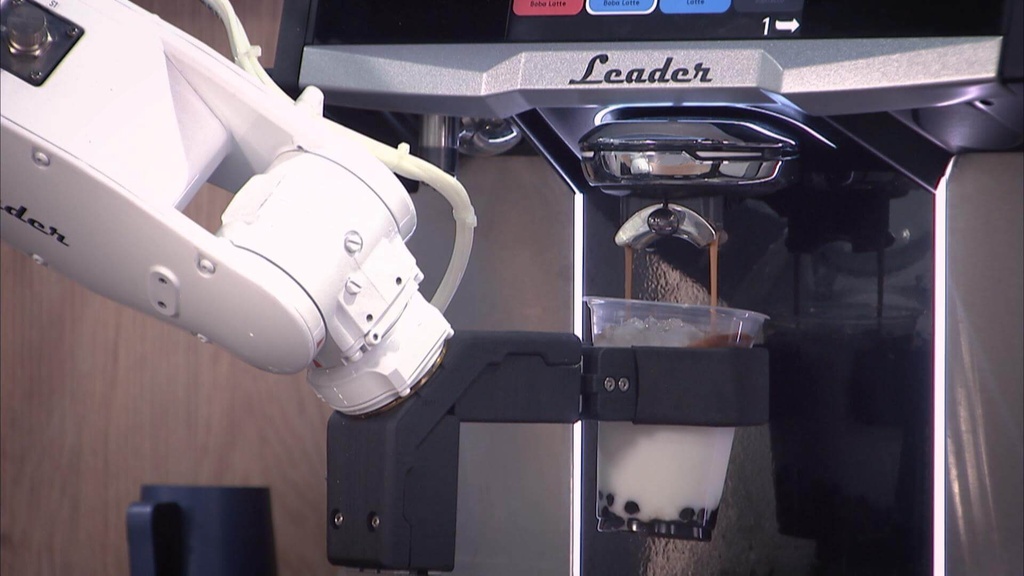
    The arm selects the appropriate cup type based on the order, then runs the full preparation sequence: grinding, brewing, frothing, and pouring. Cup type assignment is configured by the operator during setup. No staff involvement at any point.

    03

    Drink Delivered to Pickup Window

    The finished drink moves to the pickup window. Because both cup types are loaded at the start of each shift, the next order starts immediately. No reconfiguration between orders.

    04

    Operator Monitors Remotely

    Two onboard cameras and a backend system give real-time visibility into machine status, ingredient levels, and sales data from any phone or PC. LINE alerts notify the operator before stock runs out or a fault affects service. No on-site staff needed to monitor the machine.

    Where This Machine Operates

    Airports & Transit Hubs

    24-Hour Unattended Service

    Passenger flow continues overnight and through early morning departure windows when staffing a coffee counter is not practical. Once ingredients are loaded, the kiosk runs without a staff member at the point of service. LINE alerts notify the operator when stock is low or a fault occurs. One operator can oversee multiple units across a terminal from a phone or PC.

    Deployed at: international airports in Kuwait and South Korea.

    Shopping Malls & Commercial Districts

    Weekend and Holiday Peak Demand

    Mall coffee demand spikes sharply on weekends and public holidays. A single-barista operation cannot absorb these peaks without queues that push customers away. The Double Cup Model serves a mixed hot and cold menu from a single unit. Because both cup types are pre-loaded, the machine moves from one order to the next without any manual step between them. The backend system records every transaction by item, quantity, and time, which helps operators plan refill schedules and identify which periods drive the most revenue.

    Corporate Campuses & Office Buildings

    Morning Rush Without a Dedicated Barista

    Office coffee demand concentrates into a narrow window between 8 and 10 a.m. The kiosk handles that peak without requiring a full-time coffee staff position. Open API integration connects the machine to the building's existing employee app or badge payment system. Orders placed through the venue's own platform go directly to the machine. No separate kiosk interaction required.

    Hotels & Hospitality Venues

    Lobby and Breakfast Service

    Lobby coffee service and breakfast periods require consistent drink quality across high volumes. The automated coffee kiosk replicates the same preparation sequence for every cup, latte art included, regardless of how many orders have been processed that morning. No barista training is required for venue staff, and no shift handover affects drink quality.

    Healthcare & University Campuses

    Locations Where Staff Recruitment Is Difficult

    Hospitals and universities face persistent difficulty filling food service positions, particularly for overnight and weekend shifts. The kiosk operates through these periods without shift staffing. Remote monitoring gives the facilities team visibility into machine status without requiring a dedicated operator on the floor.

    Deployed at: hospital and campus environments in Taiwan and South Korea.

    For Distributors & Agents

    Site Requirements at a Glance

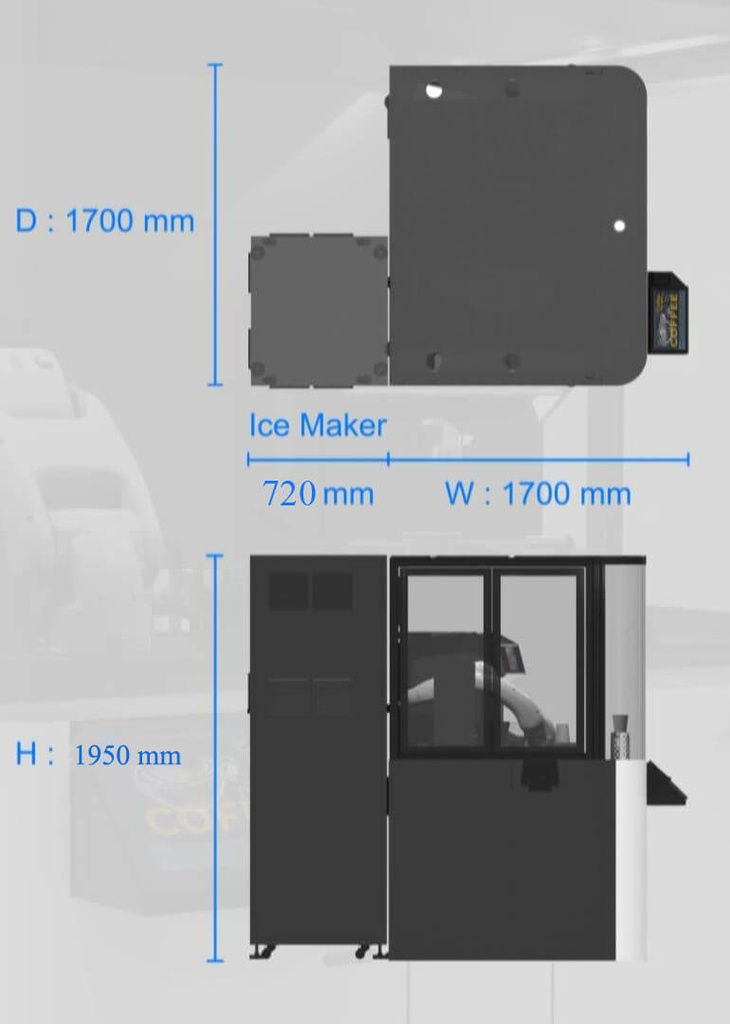
    The machine requires 4.2 m² total floor area (main unit + ice maker), two dedicated 220V/30A circuits, and a water inlet and outlet. For locations without plumbing, the optional 100L water storage module removes the pipe connection requirement. Open API covers POS and app integration. CE, UL, and CSA certifications cover the regulatory entry requirements for Europe, North America, and GCC markets.

    OEM and ODM customization is available on a case-by-case basis for orders of 5 units or more. Contact Leader Automation to discuss scope.

    Feature

    Functionalities

    Dual Cup-Type Loading for Hot and Cold Drinks Without Manual Swapping

    The machine holds two cup types at the same time. Operators configure which cup type is assigned to which drinks during setup. Once loaded, the robotic arm selects the appropriate cup for each incoming order and runs the full preparation sequence. No staff member needs to touch or swap cups between drinks, regardless of the order sequence.

    Output: up to 40 cups per hour for standard items. Approx. 90 seconds per cup (standard items); 150 seconds for Latte Art.

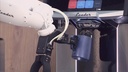
    Barista-Level Robotic Arm with Latte Art

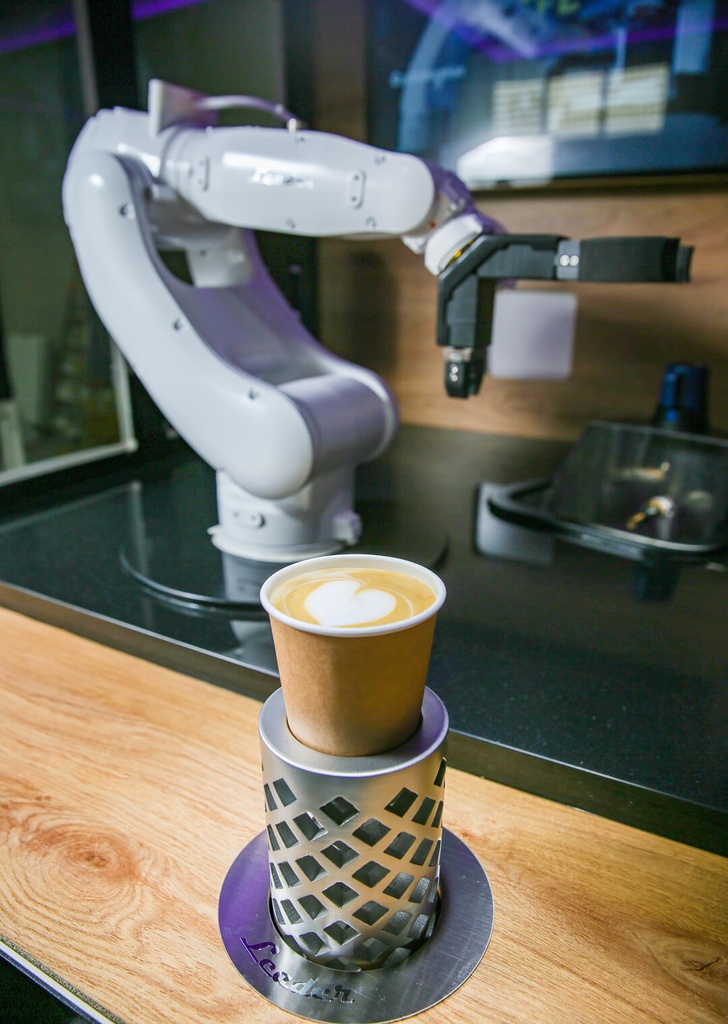
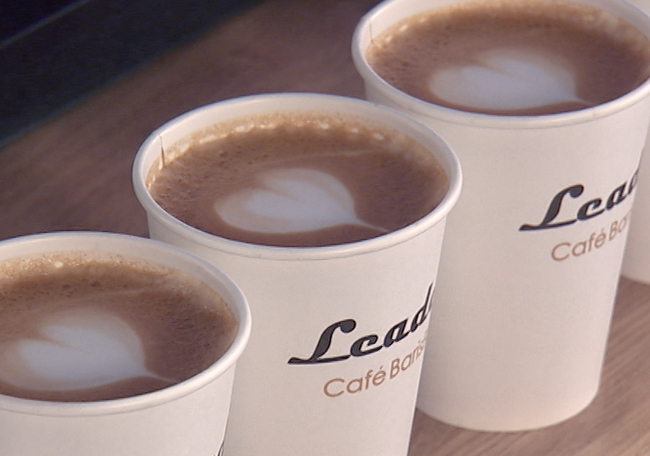
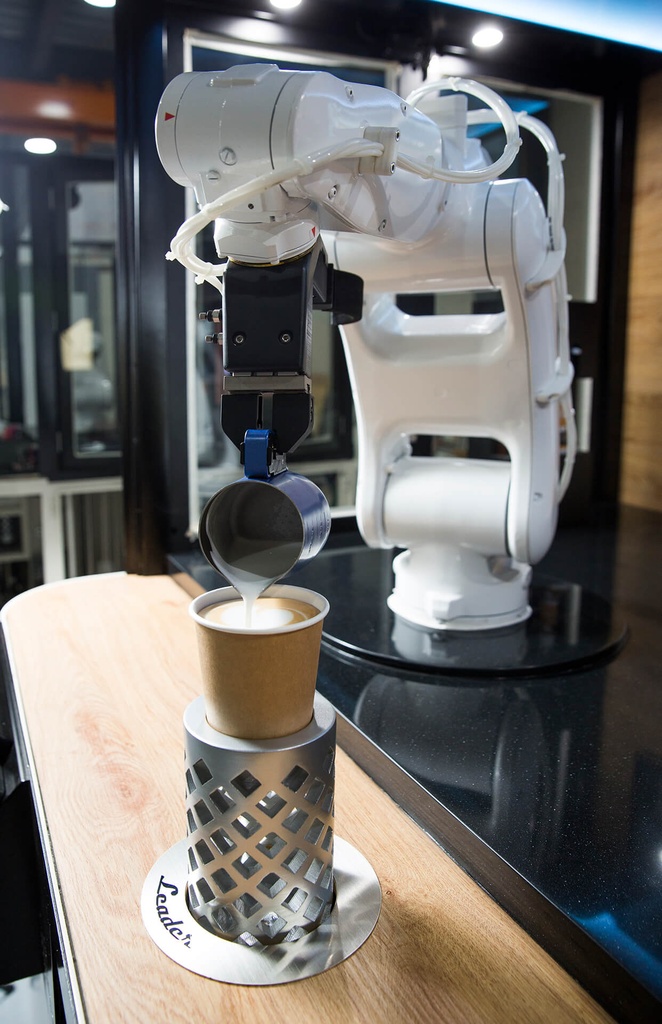
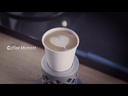
    The arm replicates precise barista technique including milk frothing and latte art (heart pattern). Drink quality stays consistent through high-volume service periods and does not depend on staff experience or shift handover.

    Simple Human Machine Interface

    The touchscreen interface requires no customer training. A clear menu with drink selection and payment completes the order without staff assistance at any point.
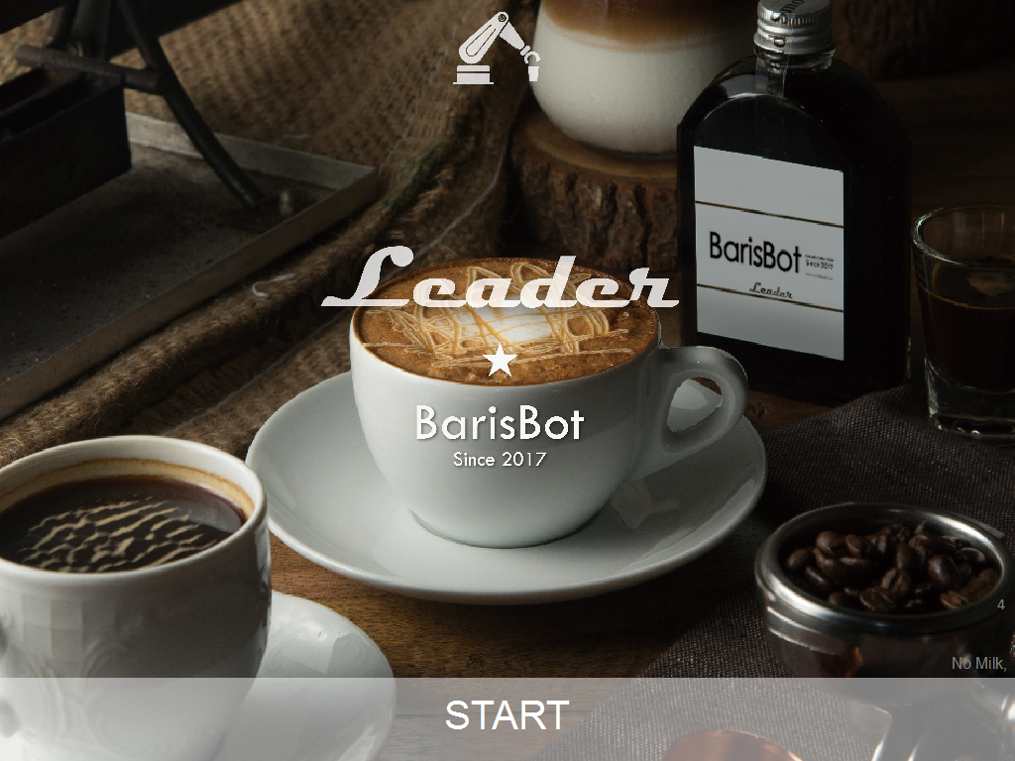
    HMI interface

    Multi-Protocol Payment

    The machine supports integration with local payment systems based on the deployment market. Standard configurations cover major card networks (VISA, Mastercard, JCB) and mobile wallets (Apple Pay, Google Pay, Samsung Pay). Market-specific methods such as LINE Pay, EasyCard, or regional payment gateways are configured during the deployment setup to match the target market.
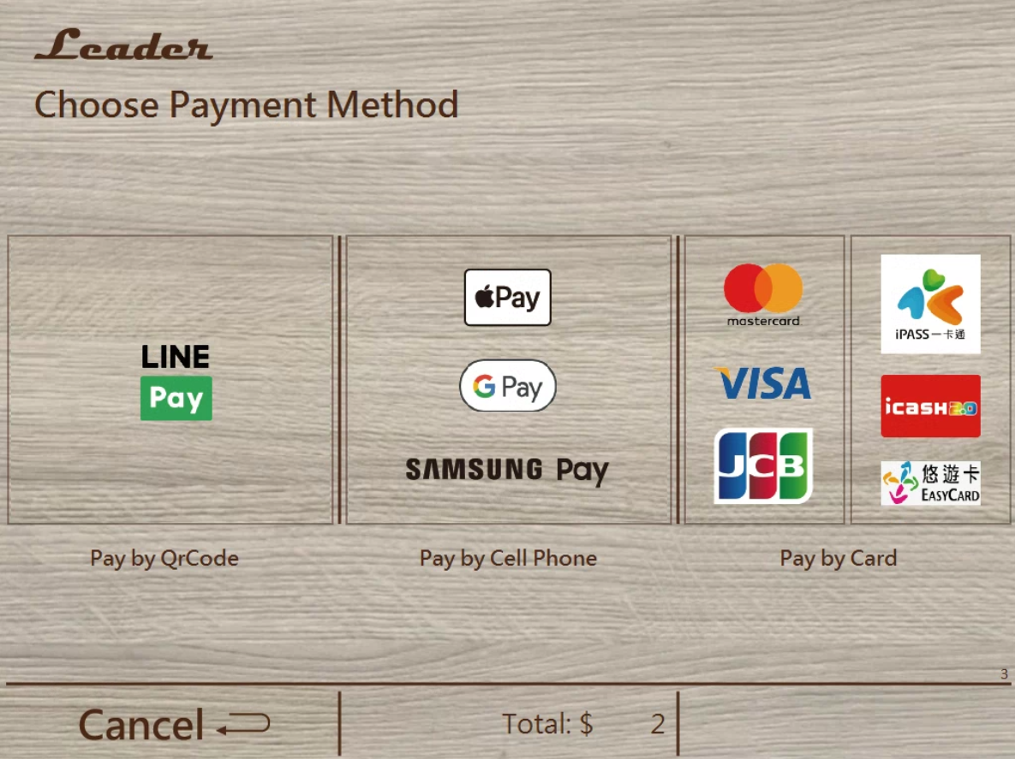
    Payment methods

    Up to 24 Configurable Menu Items

    The drink menu is built from combinations of coffee types, milk varieties, syrups, ice, and beverages. Operators adjust the configuration to match local preferences. Standard offerings include Americano (iced or hot), Cappuccino, Latte (iced or hot), Latte Art, and Caramel Latte. The same hardware works across GCC, Southeast Asia, North America, and Europe without modification.

    Remote Monitoring with Automatic Alerts

    Two onboard cameras and a backend management system give operators access to machine status, sales records, and ingredient levels from a phone or PC. LINE alerts notify the operator when stock is low or a fault occurs, before service is affected. One operator can monitor multiple units across locations from a single device.
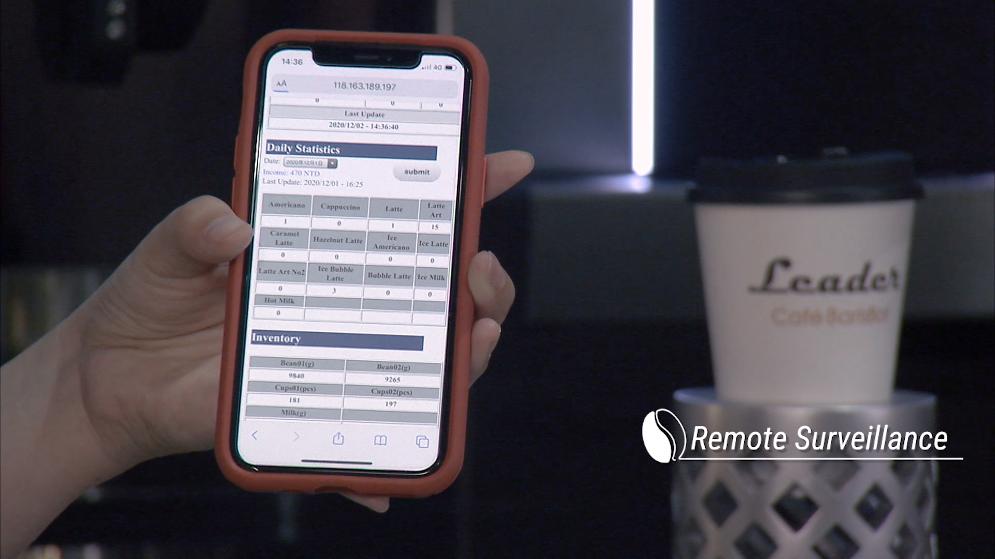
    Remote monitoring

    Sales Data by Item, Time, and Volume

    Every transaction is recorded by item, quantity, amount, and time. Operators review daily and historical data to plan refill schedules, identify peak periods, and track which items sell. No separate analytics software required.

    Open API for POS and App Integration

    Connects to the operator's existing POS system or ordering app via open API. Customers order through the venue's own platform; the machine receives the order and starts preparation. The open API also supports integration with third-party loyalty programmes, membership systems, and repeat-order platforms. Operators can link the kiosk to existing customer engagement infrastructure without building a separate system. API documentation is available upon request (NDA may be required depending on project scope).
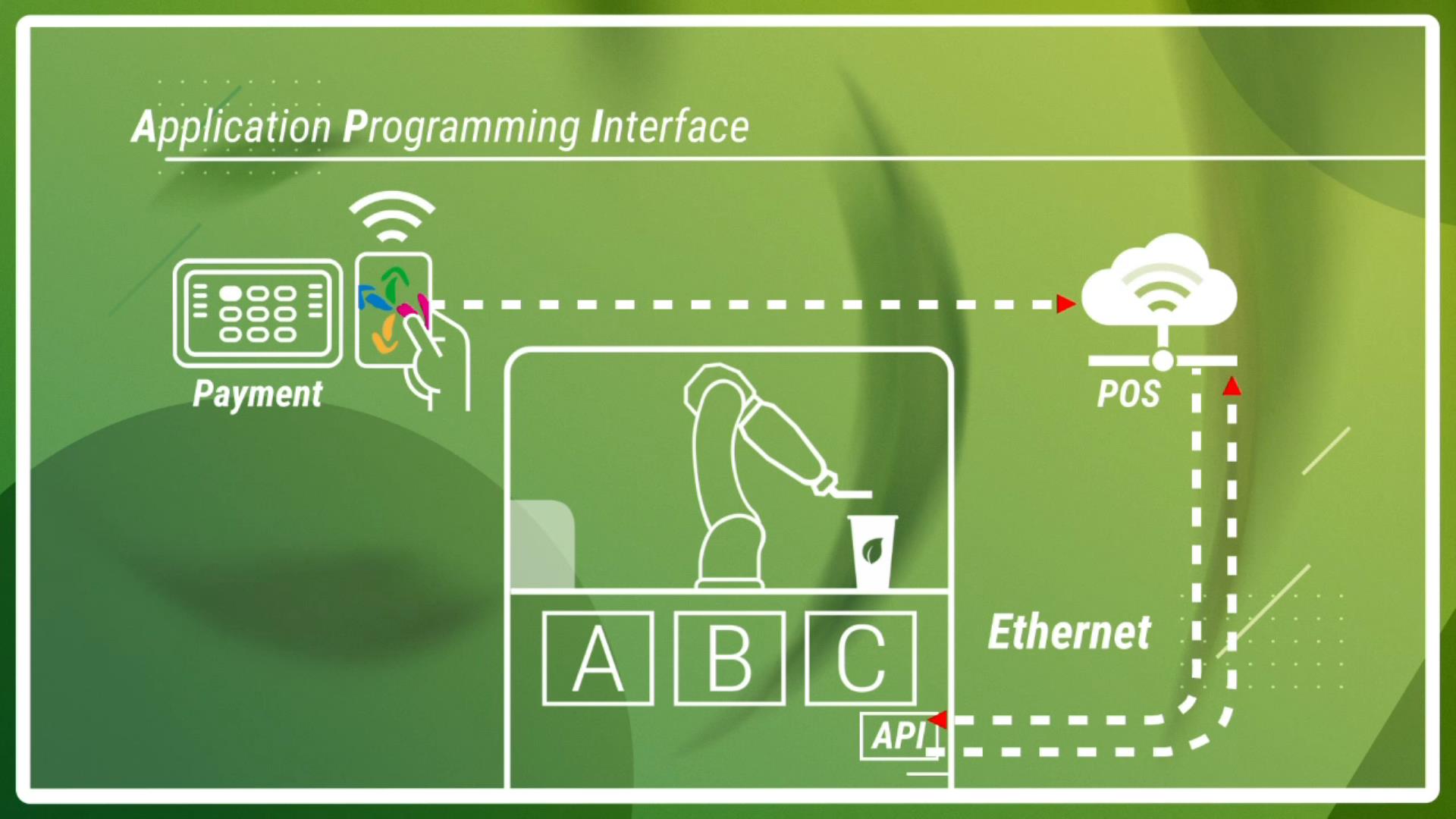
    POS integration

    Relocatable Installation

    The kiosk needs a water inlet (1/2" pipe, minimum 1 kg/cm² pressure) and a water outlet (3/4" pipe). Once disconnected from utilities, the unit moves to a different venue. Operators can test location performance before committing to a permanent installation.

    Music Playback During Service

    The machine plays music while preparing drinks, creating an ambient experience that draws attention in the venue and makes the kiosk a visual point of interest rather than just a vending machine.

    Transparent Front Panel

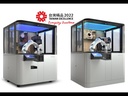
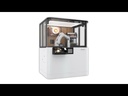
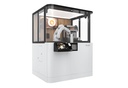
    The front of the machine is fully transparent acrylic, so customers can watch the robotic arm through the complete preparation sequence. The visible mechanics create a natural stopping point in the venue. People who pause to watch frequently become buyers. An optional image recognition module can be added to display interactive virtual characters that engage with customers while their drink is being prepared.

    QR Code Ordering

    Customers scan a QR code to order from their phone without touching the kiosk screen. This suits venues where minimising physical contact is preferred, or where the operator wants to route orders through an existing mobile app or loyalty platform. AI voice ordering is available as a customisation option for deployments that require hands-free interaction.

    Product specification

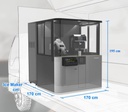
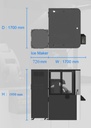
    • Machine Dimensions
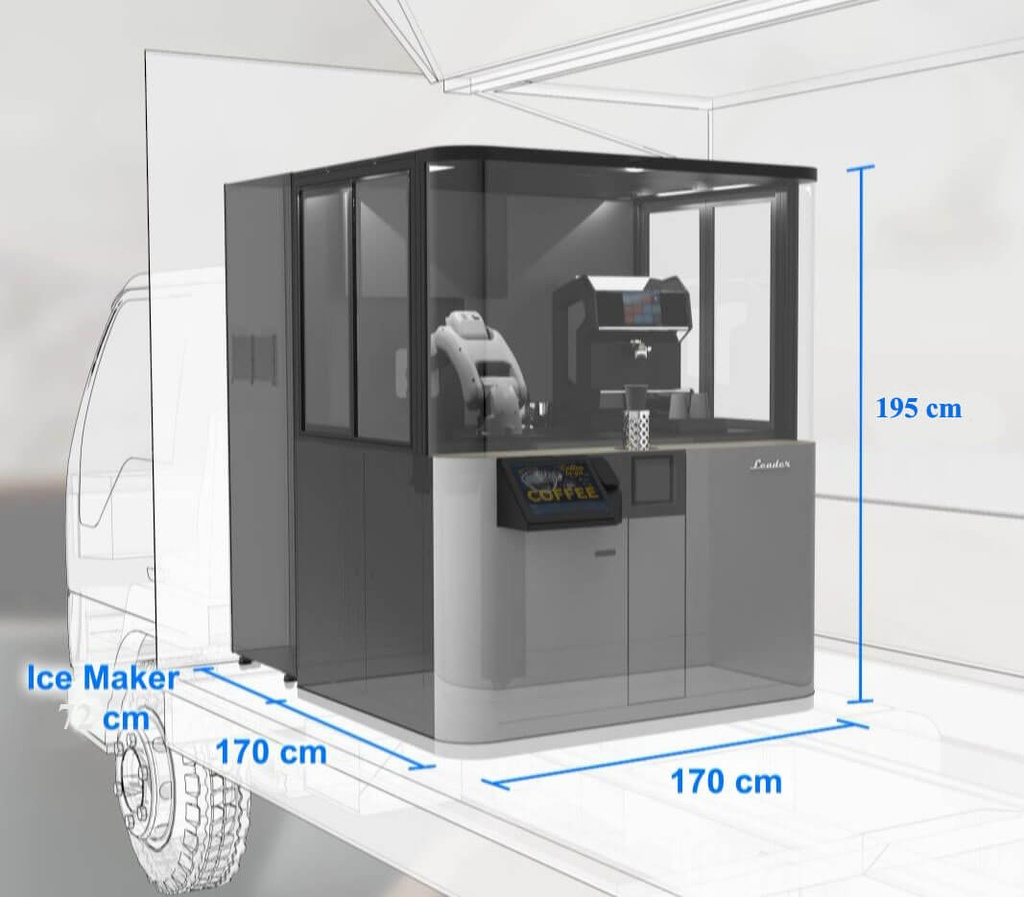
      1,700 × 1,700 × 1,950 mm (W × D × H)
      Footprint: approximately 2.9 m². Fits a standard mall kiosk bay or airport concourse position without structural modification.
    • Ice Maker Dimensions
      720 × 500 × 1,950 mm (W × D × H)
      Positioned alongside the main unit. Combined installation uses approximately 4.2 m² of total floor area. Allow 30 cm clearance on both sides for maintenance access.
    • Power Requirement
      2 × 220V, 30A + Earth
      Two dedicated 30A circuits required.
    • Machine Weight
      Approx. 680 kg
      Combined with ice maker: approx. 840 kg. Verify floor load capacity for upper-level or mezzanine installations.
    • Ice Maker WeightApprox. 160 kg
    • Operating Temperature10°C – 35°C (recommended); optimal 18°C – 25°C. Indoor air-conditioned environment required.
    • Water Inlet
      1/2" (DN15) hose, minimum 1 kg/cm² water pressure
      For locations without direct plumbing, see Optional Items: Water Storage Module.
    • Water Outlet3/4" (DN20) hose
    • Max Output (Dual Mode)
      Up to 40 cups per hour (standard items: Americano, Latte, Cappuccino)
      This figure covers the complete preparation cycle: espresso extraction (20–30 seconds per shot), milk frothing, cup handling, and delivery to the pickup window.
    • Time Per Cup
      Approx. 90 seconds (standard items: Americano, Latte, Cappuccino)
      Latte Art (heart pattern): approx. 150 seconds. Measured from order confirmation to cup at pickup window.
    • Ingredient Refill IntervalDaily, during the espresso machine cleaning cycle (approx. 15 min, time configurable)
    • Menu CapacityUp to 24 items, configurable from 2 coffee types, 2 milk varieties, 2 syrups, ice, and 2 beverage types
    • Standard Coffee MenuAmericano (Iced / Hot), Cappuccino (Hot), Latte (Iced / Hot), Latte Art (Hot), Caramel Latte (Hot)
    • Onboard Cameras2 cameras for real-time machine status monitoring
    • ConnectivityRemote monitoring via web browser (mobile or PC); LINE alert integration; open API for POS/app integration

    Optional Items
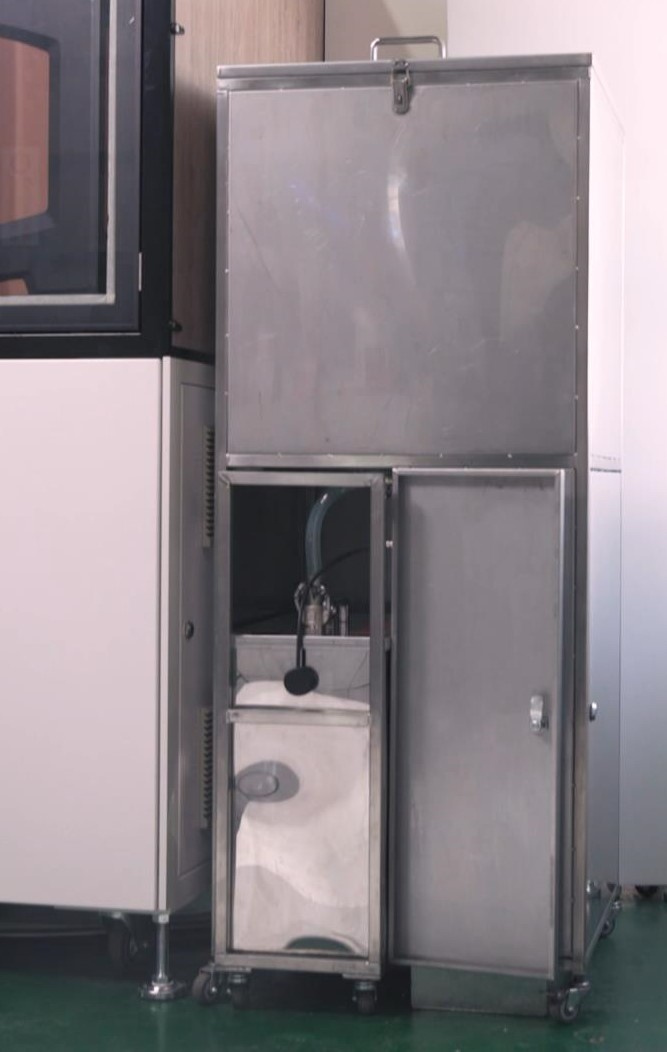
    Water storage module

    Water Storage Module

    100L fresh water storage and 50L wastewater tank. Removes the water connection requirement for locations without direct plumbing. Extends placement options to venues where a water inlet is not available at the intended position.

    Beverage Module

    Two additional ingredient buckets that expand the machine's menu beyond the standard coffee lineup. The module does not restrict the ingredient type. Operators configure it with whichever beverages suit their market and customer base, such as tea, juice, flavoured drinks, or other options. The robotic arm handles preparation regardless of ingredient type.

    Milk Module

    Two types of milk for operators who want to offer dairy alternatives alongside standard fresh milk. Configurable to local market preferences such as oat milk, soy milk, or other variants based on the deployment market.

    Quality Certificates

    The Double Cup Model carries CE certification (IEC 60335-1, IEC 60335-2-75) for EU and UK market entry, UL for North America, and CSA. ISO 9001:2015 covers the company's design, manufacturing, and after-sales processes. Taiwan and China patents protect the robotic coffee kiosk technology. These certifications satisfy the regulatory entry requirements for the target markets without additional local testing.

    CE CertificationCE Certification
    ISO 9001:2015ISO 9001:2015
    Taiwan Excellence AwardTaiwan Excellence Award
    National Brand Yushan AwardNational Brand Yushan Award

    About Leader Automation

    Leader Automation Co., Ltd. was founded in 1988 in Taiwan. The company spent over three decades developing industrial robotic arms and automation systems before applying that manufacturing base to food and beverage robotics. The Robotic Coffee Kiosk is Taiwan's first independently developed product of its kind, built on the same mechanical and software engineering used for industrial clients.

    The Double Cup Model is currently deployed in Kuwait, Saudi Arabia, Latvia, Switzerland, South Korea, China, and Taiwan. Clients include Barns Coffee, one of Saudi Arabia's largest coffee chains, and Virši, which deployed the machine at Spice Shopping Centre in Riga in 2023, marking the first commercial robot barista deployment in the Baltic states. Each deployment is supported by the machine's built-in remote monitoring system, giving operators visibility into machine status, ingredient levels, and sales data from any device. On-site engineer dispatch can be arranged in advance. Spare parts are shipped by air freight and arrive within approximately 7 business days. Warranty covers parts replacement for one year on non-accidental damage; consumables are excluded.

    The company has received the National Brand Yushan Award, Taiwan Excellence Award (2022 and 2025), and the Taiwan SMEs Innovation Award.

    Founded
    1988, Changhua, Taiwan. 35+ years in industrial automation manufacturing.
    Product Origin
    Taiwan's first independently developed robotic coffee kiosk
    Certifications
    CE (IEC 60335-1, IEC 60335-2-75) · UL · CSA · ISO 9001:2015 · Taiwan & China Patent
    Awards
    National Brand Yushan Award · Taiwan Excellence Award 2022 & 2025 · Taiwan SMEs Innovation Award
    Active Deployments
    Kuwait · Saudi Arabia · Latvia · Switzerland · South Korea · China · Taiwan
    After-Sales Support
    Remote monitoring (all markets). On-site dispatch by arrangement. Spare parts ~7 business days by air freight. 1-year warranty on non-accidental damage.

    Frequently Asked Questions

    The Double Cup Model holds two cup types at the same time. Operators configure which cup type corresponds to which drinks during setup. For example, one cup type can be assigned to hot drinks and a different cup type for cold drinks. The robotic arm selects the appropriate cup for each order automatically.

    Most robotic coffee kiosks are configured for one cup type. When a venue needs to serve both hot and cold drinks, this normally means swapping the cup supply between orders or running two separate machines. The Double Cup Model removes that constraint by keeping both cup types loaded and ready throughout the service period.
    The main unit footprint is 1,700 × 1,700 mm. With the ice maker placed alongside, total installation uses approximately 4.2 m². Two dedicated 220V/30A electrical circuits, a water inlet (1/2" pipe), and a water outlet (3/4" pipe) are required. For locations without plumbing access, the optional 100L water storage module removes the water connection requirement entirely.
    Yes. Once ingredients are loaded, the machine runs without staff at the point of service. The monitoring system sends LINE alerts when ingredient levels are low or a fault is detected, so a single operator can manage multiple units remotely from a phone or PC.

    Ingredients are restocked daily during the espresso machine cleaning window (approx. 15 minutes, operator-configurable). Full machine deep clean: once per week.
    Yes. The machine has an open API that connects to third-party POS systems and mobile ordering apps. Orders placed through the venue's own platform are sent directly to the machine, which starts preparation without requiring the customer to interact with the kiosk touchscreen.
    CE certification (IEC 60335-1, IEC 60335-2-75) for EU and UK commercial deployment. No additional local testing required. UL and CSA for North America. ISO 9001:2015 covers the quality management system across design, manufacturing, and after-sales. These satisfy the entry requirements for Europe, North America, GCC, and most Southeast Asian markets.
    All machines include built-in remote monitoring. Operators check machine status and diagnose issues via web browser from any device. Remote support is available as standard across all markets. On-site engineer dispatch can be arranged in advance (subject to scheduling and separate quotation). Spare parts are shipped by air freight: approximately 7 business days to destination including customs clearance. Warranty covers parts replacement for one year on non-accidental damage; consumables are excluded.
    The machine is already deployed in Kuwait and Saudi Arabia. The rated operating temperature range is 10°C to 35°C, with optimal stability between 18°C and 25°C. An indoor air-conditioned environment is required for normal operation. GCC deployment sites such as shopping malls, airport terminals, and hotel lobbies are typically air-conditioned and fall within this range.
    Yes. The unit requires a water inlet and outlet connection. Once utilities are disconnected, it can be relocated to a different venue. No recalibration is required after relocation. The machine resumes normal operation once reconnected to power and water. This suits operators who want to evaluate location performance before committing to a permanent installation.
    The machine is available for purchase only. Leasing and revenue-sharing arrangements are not currently offered. Pricing depends on configuration and market; contact Leader Automation directly for a quotation.

    Ready to discuss your deployment?

    Contact Leader Automation for specifications, pricing, and availability in your market.